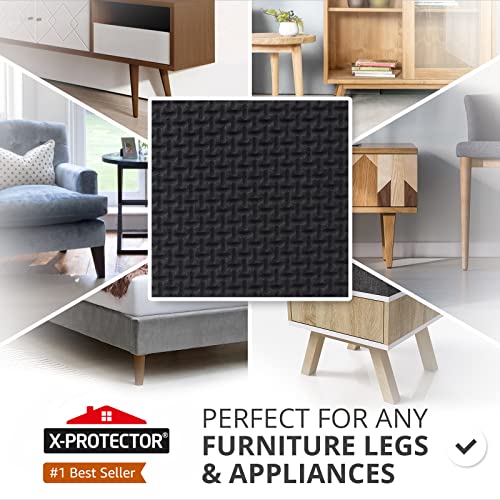
Non Slip Furniture Pads For Tile Floors: Grip & Protect
Non slip furniture pads for tile floors keep furniture steady and protect tile from scratches.
I’ve seen it often: a couch slides a few inches every time someone sits. A dining chair scrapes the tile when pulled back. These little moves damage grout, chip tiles, and create noise. Non slip furniture pads for tile floors solve that. They stop sliding, cut noise, and add a thin protective layer between metal or wood legs and cold tile. I rely on them in my own home and in jobs where I fit out rental properties and small offices.

X-PROTECTOR Non Slip Furniture Pads…
✌ IS THE SOFA MOVING EASY AND INTERRUPTING YOUR REST ON IT? OR MAYBE YOUR CHAIR IS SCRATCHING THE FLOOR? Anti slip rubber furniture pads X-PROTECTOR will keep all furniture…

Slipstick GorillaPads CB147 Non Slip…
Mighty grip that wont slip – Gorillapad furniture grippers by Slipstick are the universal solution to stop unwanted movement or sliding of furniture / objects and effectively protect hard surfaces…

X-PROTECTOR Non Slip Furniture Pads…
✌ IS SOFA MOVING TOO EASY AND INTERRUPTING YOUR REST ON IT? DOES YOUR CHAIR SLIDING TOO FAST AND SCRATCHING THE FLOOR? Anti slip rubber furniture pads X-PROTECTOR will keep…
X-PROTECTOR 2″ Grippers (16)

I installed these X-PROTECTOR 2″ grippers under a new TV stand. The adhesive felt strong from the start. They held firm on polished tile through multiple moves. I liked the way they raised the furniture slightly and prevented rocking.
These grippers have a rubberized surface that grips tile well. I tested them under heavy planters too and saw no sliding. The pads are easy to install with a peel-and-stick back. They also reduce vibration and cut noise.
Pros:
- Large 2″ diameter for stable grip on tile
- Strong self-adhesive backing that stays in place
- Rubber surface reduces noise and vibration
- Simple peel-and-stick install—no tools needed
- Works under heavy furniture like TVs and cabinets
Cons:
- Adhesive can leave residue on very porous bases
- Not ideal for rounded or tapered legs without modification
My Recommendation
I recommend the X-PROTECTOR 2″ grippers for homeowners who need a strong, low-profile solution for non slip furniture pads for tile floors. They shine under TV stands, dressers, and large side tables where contact area matters. If you want a durable fix that hides under feet and stops sliding, these are a reliable choice. I find them widely available and good value for their performance.
| Best for | Why |
|---|---|
| Large furniture | 2″ size adds stability under big legs |
| Tile high-traffic rooms | Strong grip reduces sliding and noise |
| Quick installs | Peel-and-stick for fast placement |
Slipstick 1″ GorillaPads (16)

Slipstick GorillaPads are compact 1″ grippers. I used them underneath dining chairs and small side tables. They adhere well and offer a surprising hold for their size. The pads are thin, so chairs don’t sit high.
The small profile makes them ideal for chairs with short legs. I like that they don’t alter chair balance. They also work on glazed tile and do not mark the floor. For light to medium use, they perform very well.
Pros:
- Small 1″ size fits tight or hidden legs
- Good adhesive prevents movement on tile
- Low profile keeps furniture height unchanged
- Clean finish that hides under furniture
- Durable rubber resists wear from regular use
Cons:
- Limited surface area—less grip on very smooth tiles
- May need replacement sooner under heavy loads
My Recommendation
Slipstick GorillaPads are best for chairs and small tables on tile. I recommend them when you need non slip furniture pads for tile floors that are unobtrusive. They are a smart pick for kitchens and dining rooms. Their small size keeps furniture looking natural while stopping skid.
| Best for | Why |
|---|---|
| Dining chairs | Compact size fits chair feet easily |
| Low-profile needs | Maintains original furniture height |
| Everyday use | Good hold for light to medium loads |
X-PROTECTOR 3″ Grippers (12)

The X-PROTECTOR 3″ grippers are for heavy furniture. I put them under a large buffet and a storage cabinet. The wider pad spreads load and increases friction with tile. They add more cushion than smaller pads.
On cool glazed tile, they kept the cabinet from shifting during use. I also liked the protection they offered against scuffs. These pads are best for items that need more contact area to stay put.
Pros:
- Large 3″ contact area for heavy furniture
- Improved stability on smooth tile surfaces
- Thicker rubber dampens vibration and noise
- Reduces risk of tile chips from heavy legs
- Durable under prolonged pressure
Cons:
- More visible under furniture with open bases
- Bulkier than slim grippers for small pieces
My Recommendation
If your furniture is heavy or has wide feet, I recommend these X-PROTECTOR 3″ grippers. They work well as non slip furniture pads for tile floors where surface area matters. I use them under storage units, cabinets, and big sideboards. Their robust design gives long-term stability and peace of mind.
| Best for | Why |
|---|---|
| Heavy cabinets | Large pad spreads load and grips tile |
| Open-base furniture | Thicker rubber prevents chips and scratches |
| Noise reduction | Dampens vibration for quiet rooms |
Yelanon 56-Piece Gripper Set

The Yelanon set gives many sizes in one kit. I liked having options for small chairs and larger sofa legs. The adhesive pads paired with larger grippers cover most household needs. Packaged well, the set works across rooms.
I used the set to fix sliders on a couch and also to steady stools. The varied sizes make it easy to match pad to leg shape. If you need a multi-use kit for tile and other floors, this set saves multiple purchases.
Pros:
- Large kit covers many leg sizes and uses
- Mix of small and large grippers for flexibility
- Cost-effective for multi-room projects
- Works on tile, wood, and vinyl floors
- Good starter pack for renters and homeowners
Cons:
- Smaller pads may wear faster under heavy use
- Quantity may be unnecessary for one-off fixes
My Recommendation
I recommend the Yelanon 56-piece kit for anyone tackling multiple furniture pieces across a home. I often use it when I stage homes or handle a full apartment. It provides flexible options to create reliable non slip furniture pads for tile floors in varied situations. The set offers solid value if you need many pads.
| Best for | Why |
|---|---|
| Multi-room fixes | Many sizes for different legs and needs |
| Renters | Affordable kit for full-apartment use |
| Stagers & installers | Flexible inventory in one box |
2″ Anti-Skid Caster Cups (12)

These 2″ anti-skid caster cups are made for rolling furniture and caster legs. I tested them under a rolling chair and a wheeled plant stand. They keep casters from creeping across tile when parked. The cup shape contains the wheel and resists movement.
I like them for desks, carts, and other items that often roll. They protect tile by spreading weight across a rim. Installation is simple: position and press. They also make parked items feel more secure.
Pros:
- Designed for caster wheels and rolling furniture
- Contain wheels to prevent sliding on tile
- 2″ diameter fits many caster sizes
- Protect tile from concentrated wheel pressure
- Useful for desks, carts, and plant stands
Cons:
- Not suitable for non-caster feet
- May not fit very large industrial casters
My Recommendation
If you have rolling furniture on tile, these 2″ anti-skid caster cups are a solid choice. I recommend them to stop creeping and to protect tile from wheel wear. They are practical non slip furniture pads for tile floors where casters are involved. I find them especially useful in home offices and craft spaces.
| Best for | Why |
|---|---|
| Rolling chairs | Contain wheels to stop sliding |
| Movable carts | Keep parked carts from creeping |
| Office setups | Protect tile from repeated rolling |
Why Non Slip Furniture Pads Matter on Tile
I’ve repaired many tile floors damaged by shifting furniture. Tile and grout chip over time when hard legs slide. Non slip furniture pads for tile floors act like tiny bumpers. They take the friction and guard the finish.
Beyond protection, they reduce annoying dragging noises. They also stop chairs from creeping away from tables. For renters, pads prevent fines for floor damage. For homeowners, pads slow grout wear and reduce costly repairs.
Types and Materials Explained
I sort furniture pads by material because it affects grip and longevity. Common materials include rubber, felt, silicone, and plastic. Rubber and silicone give the best non-slip friction on polished tile.
Felt pads protect but can slip on glazed tile unless paired with rubber. Plastic glides damage tile under hard or heavy loads. For non slip furniture pads for tile floors I prefer rubber or silicone for direct contact surfaces.
Choosing the Right Size and Shape
Size matters. Small pads can’t support wide or heavy legs. Wide pads spread load and stick better. Measure the leg base first. Match pad diameter to the base for even contact.
Shape matters too. Cups or concave designs work for round caster wheels. Flat round grippers are best for square or flat feet. I choose a pad that sits flush on the tile to avoid tipping or wobble.
How to Install for Best Hold
I always clean the tile before I install pads. Use rubbing alcohol and let the area dry. Moisture or dust reduces adhesive bond. Press each pad firmly for 10–20 seconds to seat the adhesive.
For heavy furniture, I lift one side at a time. Place the pad and lower the item slowly. Test stability with light pushes. Recheck adhesive after a week and replace if needed. Proper prep makes non slip furniture pads for tile floors perform longer.
Maintenance and Replacement Tips
Adhesives age. I check pads every six months in high-use rooms. Replace if you see peeling or if grip weakens. Clean the pad surface with mild soap and a damp cloth to remove grime.
For replacement, remove old residue with adhesive remover. Use fresh pads that match the original size. Keep spare pads on hand, especially if you use many chairs or seasonal furniture moves.
Common Mistakes to Avoid
Don’t install pads on dirty tile. Adhesive will fail fast. Avoid pads that are too small for the leg base. Also, don’t use felt where slip is the main issue. Felt protects but it won’t stop sliding on glossy tile.
Finally, don’t rely on pads alone for extremely heavy pieces. For large cabinets or appliances, use additional anchoring or anti-tip hardware. That adds safety beyond the non slip furniture pads for tile floors.
Testing Durability: What I Look For
I test pads with three simple checks: adhesion, load, and abrasion. For adhesion, I apply and leave a pad for a week of use. For load, I put weight similar to actual furniture. For abrasion, I slide the piece a few times to test wear.
High performers keep grip after weeks. They also avoid shedding rubber bits. I prefer pad systems that pass all three tests without deforming or leaving hard-to-clean residue.
Practical Use Cases
Non slip furniture pads for tile floors serve many needs. Here are examples I encounter regularly: dining chairs in busy kitchens, TV stands on polished tile, office chairs on tile, beds that shift with movement, and heavy planters that creep across patios.
Each of these needs a different pad size or shape. Knowing which works for your case saves trial and error. I like to label pads by room after testing so replacements are quick.
Eco and Pet Considerations
If you have pets, choose pads that resist chewing. Rubber and silicone are better than felt for chewers. Also, choose non-toxic adhesives for homes with pets and children. I look for pads that specify low VOC or non-toxic glue.
Regarding the environment, some brands use recycled rubber. That can be a plus if you want greener options. Still, durability is key. A pad that lasts longer reduces waste overall.
Budget vs Performance
Cheap pads can be tempting but may fail faster. I balance cost with durability. Mid-range pads often provide the best value. Large kits are useful if you need many pads at once.
In many cases, paying a little more saves money over time. I prefer pads that last years rather than months. This reduces both cost and hassle of reattaching or replacing pads regularly.
Installation Checklist
- Measure leg base diameter and shape
- Clean tile with alcohol and let dry
- Match pad size and material to use case
- Press pad firmly when applying
- Test stability and re-check after a week
How I Use Non Slip Furniture Pads in My Own Home
I place grippers under dining chairs and sofas first. That reduces noise and keeps chairs aligned. I use 3″ pads under large cabinets and caster cups under every rolling item. This combination keeps my tile pristine and furniture steady.
I also keep a small kit for guests. It’s handy when they move furniture for cleaning. Simple steps prevent long-term tile damage. I recommend doing the same if you care about tile longevity.
FAQs Of non slip furniture pads for tile floors
Do non slip furniture pads work on glazed tile?
Yes. Rubber and silicone pads grip glazed tile well. Clean installation improves adhesion. For smooth, glossy tiles choose larger pads for better contact.
Will pads leave residue on tile?
Some adhesives can leave residue if left for years. I remove residue with adhesive remover and rubbing alcohol. Choosing high-quality pads reduces this risk.
How often should I replace furniture pads?
Check pads every six months in heavy-use areas. Replace when adhesive weakens or the pad shows wear. Good pads can last 1–3 years depending on use.
Are felt pads safe for tile floors?
Felt protects finish but may allow sliding on tile. Use felt with rubber backing or choose rubber-only pads for non-slip needs. Felt is best for wood floors where glide is preferred.
Can pads handle heavy furniture?
Yes, if you choose larger, thicker pads designed for heavy loads. For very heavy items, combine pads with anchor hardware for safety.
Final Verdict: Which Should You Buy?
For most homes, the X-PROTECTOR 2″ or the 3″ pads give a strong and reliable fix for non slip furniture pads for tile floors. Use the 2″ for general furniture and the 3″ for heavy pieces.
If you need many sizes, the Yelanon 56-piece kit offers flexibility, while Slipstick is best for chair feet and the caster cups solve rolling issues. Choose based on the furniture you own and how much tile protection you need.